By Prashant for Seniorpawsguide.com
Ensuring your dog’s health is not just about vet visits—it’s about consistent observation, care, and understanding your pet’s needs. Knowing how to check dog health at home helps you identify early signs of illness and maintain your furry friend’s overall well-being.
In this detailed guide, we’ll explore every essential aspect of monitoring your dog’s health, from coat condition and appetite to vital signs and behavioral cues.
Table of Contents
1. Observe Your Dog’s Overall Behavior and Energy Levels
A dog’s behavior is the first indicator of its health. Healthy dogs are alert, playful, and responsive to commands. Any sudden change in energy—whether excessive lethargy or hyperactivity—may suggest an underlying issue.
Key Signs of Good Health:
- Bright, clear eyes and alert expression
- Normal appetite and interest in food
- Consistent sleeping patterns
- Playful and engaged behavior
Warning Signs:
- Sudden disinterest in play or food
- Restlessness, whining, or hiding
- Unusual aggression or fear
If your dog seems “off” for more than 24–48 hours, it’s wise to schedule a vet check-up.
2. Examine the Eyes, Ears, and Nose for Signs of Illness
The face often reveals early signs of health problems.
Eyes
Healthy eyes are clear, bright, and free from discharge. Redness, cloudiness, or excessive tearing may signal allergies, infections, or more serious eye diseases.
Check for:
- Yellowing of the whites (could indicate liver problems)
- Excessive blinking or pawing at the eyes
- Crusty or colored discharge
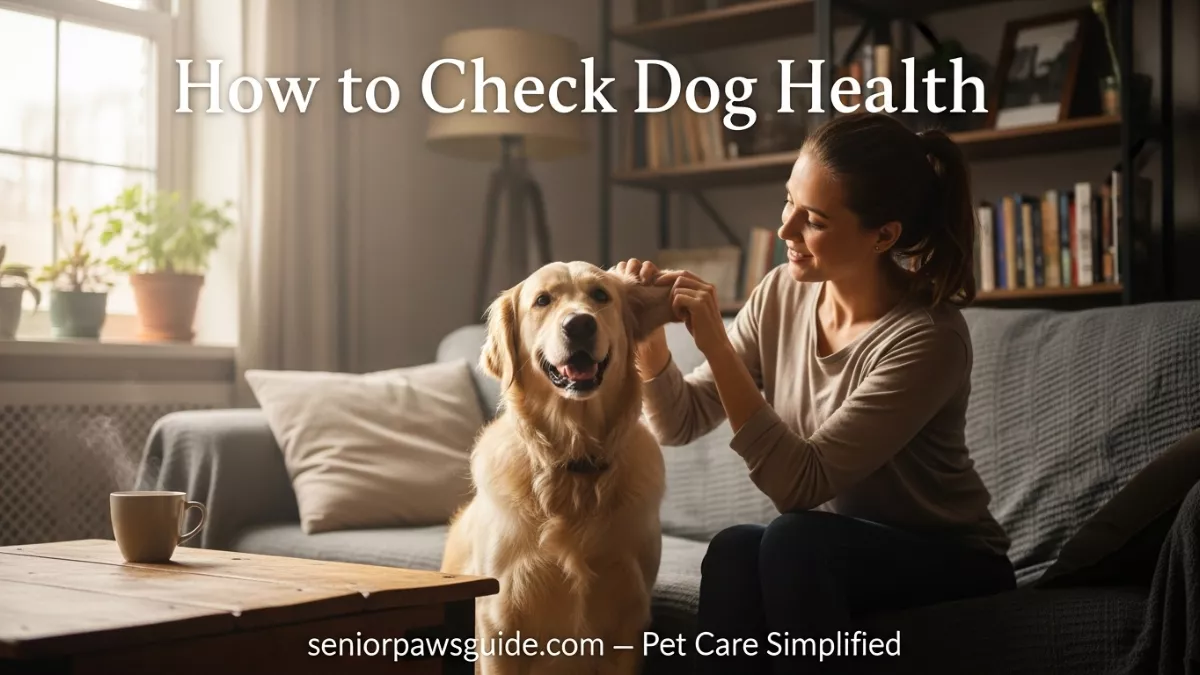
Ears
Clean ears should be odor-free and light pink inside. A bad smell, head shaking, or dark wax buildup often means an ear infection or mites.
Routine Tip: Clean your dog’s ears once a week using a vet-approved ear cleaner.
Nose
A moist, cool nose is generally a sign of good health. However, dryness alone doesn’t always mean sickness—look for nasal discharge, bleeding, or crusting, which could indicate allergies or infections.
3. Check the Coat, Skin, and Paws Regularly
Coat and Skin
A shiny coat usually reflects proper nutrition and health. Run your hands over your dog’s body to feel for lumps, bald patches, redness, or parasites like fleas and ticks.
Watch for:
- Persistent itching or biting at certain areas
- Dandruff or oily fur
- Scabs or hot spots
Tip: Regular grooming and balanced nutrition (especially omega-3 fatty acids) keep your dog’s coat healthy.
Paws
Inspect the pads for cracks, cuts, or swelling. Long nails can cause pain or limping, so trimming them regularly is vital.
4. Monitor Appetite, Digestion, and Hydration
Changes in eating and drinking habits often reveal internal problems.
Appetite
A healthy dog maintains a consistent appetite. If your dog suddenly refuses food or eats excessively, check for dental issues, digestive problems, or metabolic disorders.
Digestion
Normal stools should be firm and brown. Diarrhea, constipation, or blood in the stool indicates an imbalance or illness.
Check your dog’s poop daily—it’s one of the best windows into their health.
Hydration
Dehydration can become serious quickly. To test hydration:
- Gently lift the skin on the back of your dog’s neck.
- If it snaps back quickly, hydration is good.
- If it stays “tented,” your dog needs water or veterinary care.
5. Examine Teeth, Gums, and Breath
Dental health is often overlooked but crucial to overall wellness.
Healthy Signs:
- Clean white teeth
- Pink gums
- Mild breath odor
Warning Signs:
- Bad breath (could signal gum disease or organ problems)
- Red or swollen gums
- Difficulty chewing or drooling
Tip: Brush your dog’s teeth 2–3 times a week using a pet-safe toothpaste. Regular dental check-ups prevent tartar buildup and oral infections.
6. Check Breathing and Heart Health
Observe your dog’s breathing while resting. It should be smooth and quiet.
Normal resting respiratory rate: 15–30 breaths per minute
Heart rate (for most breeds): 70–120 beats per minute
Labored breathing, wheezing, or coughing may suggest respiratory infections, heart disease, or allergies. If these symptoms persist, contact your vet immediately.
7. Keep Track of Weight and Body Condition
Being overweight or underweight affects your dog’s lifespan and quality of life.
To Check Weight at Home:
- Feel your dog’s ribs—they should be easily felt but not visible.
- Look from above—your dog should have a visible waistline.
Sudden weight loss or gain can indicate thyroid issues, diabetes, or other metabolic problems. Regular weight checks help detect issues early.
8. Monitor for Parasites and Infections
Parasites like fleas, ticks, and worms can cause major health issues if untreated.
Preventive Tips:
- Use monthly flea and tick preventives.
- Deworm your dog as recommended by your vet.
- Wash bedding and grooming tools regularly.
Common signs of parasitic infections include:
- Excessive scratching
- Scooting on the ground
- Visible worms in stool or vomit
9. Perform Monthly Health Checks at Home
Creating a simple monthly health routine ensures early detection of problems. Include:
- Eye and ear inspection
- Dental check
- Coat and skin exam
- Weight check
- Behavioral observation
Keep a small journal to note any changes. Consistent tracking helps your vet make better diagnoses if something arises.
10. Visit the Vet Regularly
Even with home checks, professional veterinary exams are essential. Annual check-ups (or twice a year for senior dogs) can catch issues before they become serious.
Your vet will:
- Check for heartworm and tick-borne diseases
- Examine internal organs
- Update vaccinations
- Run blood and urine tests for early disease detection
Regular vet visits combined with home monitoring create the best foundation for lifelong health.
Prioritize Preventive Care for a Healthy Dog
Knowing how to check dog health means taking responsibility for every aspect of your companion’s well-being. Regular observation, good nutrition, grooming, and timely vet care can prevent most illnesses and keep your pet active, happy, and full of life.
Your dog trusts you to notice when something’s wrong—so make these checks part of your routine and give your furry friend the long, healthy life they deserve.