Introduction:Why Your Senior Dog Needs Special Treats
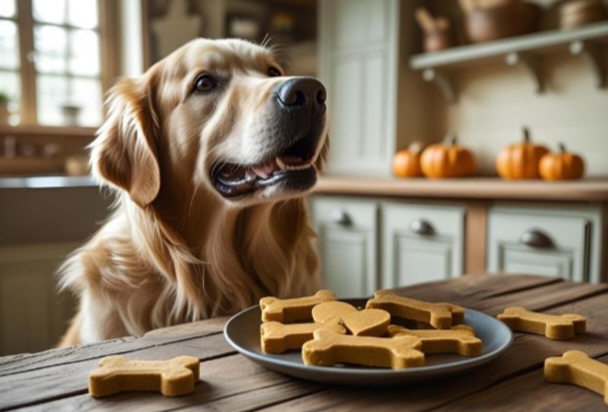
As dogs age, their nutritional and dental needs shift dramatically. If your furry friend struggles with chewing, it’s likely time to rethink their treats. Homemade soft dog treats for older dogs with bad teeth are a safe, healthy, and loving way to give them joy without causing pain or discomfort.
Common dental issues in senior dogs:
- Jaw sensitivity
- Broken or missing teeth
- Inflamed gums
- Tooth decay or tartar buildup
- Oral infections
Instead of feeding commercial crunchy treats that can be harmful, consider homemade soft alternatives that are both nutritious and tooth-friendly.
Table of Contents
🦷 The Problem with Hard Treats for Senior Dogs
Hard, crunchy biscuits may be convenient, but for older dogs, they can lead to:
- Gum bleeding
- Cracked or loose teeth
- Digestive discomfort
- Refusal to eat due to pain
Switching to homemade soft dog treats for older dogs with bad teeth not only eliminates the risk of injury but also ensures that your senior pup can continue enjoying treats in comfort.
🧑⚕️ Vet-Approved Ingredients That Support Senior Dog Health
Before you start baking, here’s a list of vet-approved ingredients commonly used in homemade soft dog treats for older dogs with bad teeth:
✅ Safe, Soft Ingredients:
- Pumpkin purée (rich in fiber and vitamins)
- Unsweetened applesauce (soft, flavorful, and gentle on gums)
- Mashed banana (natural sweetness, potassium)
- Greek yogurt (plain, for protein and calcium)
- Xylitol-free peanut butter (healthy fat source)
- Cooked sweet potato (easy to mash and digest)
- Rolled oats or oat flour (gluten-free and soft-textured)
- Cooked, shredded chicken or turkey (for protein)
- Low-sodium broth (flavor and moisture)
- Eggs (for binding and protein)
❌ Ingredients to Avoid:
- Artificial sweeteners (especially xylitol)
- Raisins, grapes, onions, garlic
- Added sugar or salt
- High-fat cheese or processed dairy
- Chocolate or cocoa powder
Using the right ingredients ensures your homemade soft dog treats for older dogs with bad teeth are both safe and enjoyable.
🍌 Recipe 1: Peanut Butter Banana Soft Treats
🐶 Ideal For: Picky eaters and protein lovers

Ingredients:
- 1 cup oat flour
- 1 ripe banana
- 2 tablespoons natural peanut butter (xylitol-free)
- 1 egg
Instructions:
- Preheat oven to 325°F (163°C).
- Mash banana in a large bowl.
- Mix in peanut butter and egg.
- Stir in oat flour until you have a soft dough.
- Spoon onto baking tray in small soft balls.
- Bake for 12–14 minutes until firm but chewy.
These homemade soft dog treats for older dogs with bad teeth are rich in flavor and easy to chew.
🎃 Recipe 2: Pumpkin & Applesauce Chews
🐶 Ideal For: Digestive support and sensitive teeth
Ingredients:
- 1 egg
- ½ cup canned pumpkin (unsweetened)
- ½ cup unsweetened applesauce
- 1¼ cups rolled oats
Instructions:
- Preheat oven to 325°F.
- Combine pumpkin, applesauce, and egg in a bowl.
- Stir in oats and mix thoroughly.
- Scoop or mold into small soft discs.
- Bake 15–18 minutes until just set.
Soft, fragrant, and filled with gut-friendly fiber, these are perfect homemade soft dog treats for older dogs with bad teeth.
🍗 Recipe 3: Chicken & Rice Soft Cubes
🐶 Ideal For: Senior dogs who prefer savory over sweet
Ingredients:
- 1 egg
- ½ cup shredded cooked chicken
- ½ cup cooked white rice
- 1 tbsp low-sodium chicken broth
Instructions:
- Mix all ingredients until fully combined.
- Spoon into silicone mold or mini muffin tray.
- Bake at 325°F for 14–16 minutes.
- Cool before serving or storing.
These homemade soft dog treats for older dogs with bad teeth offer a savory boost of protein and carbs in a chewable format.
🧊 Storage Tips for Homemade Soft Dog Treats
Homemade treats are fresh — but they don’t last as long as store-bought ones. Proper storage of your homemade soft dog treats for older dogs with bad teeth ensures quality and safety:
- Refrigerator: Store in an airtight container for 5–7 days.
- Freezer: Freeze in portions for up to 2 months.
- Containers: Use BPA-free containers with labels (recipe + date).
- Thawing: Let treats thaw naturally before serving.
📊 How Many Soft Treats Should You Give a Senior Dog?
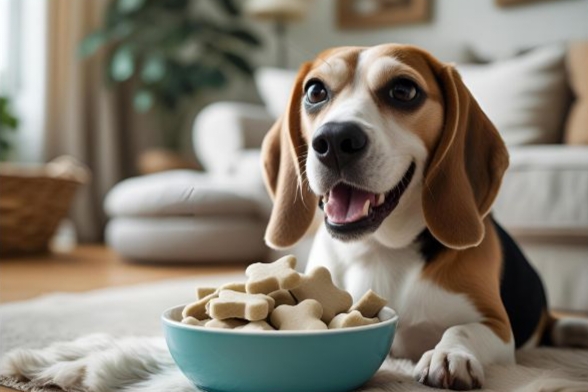
Moderation is key. Even with soft, homemade options, treats should only make up 10% of your dog’s daily caloric intake.
General Guidelines:
- Small senior dog: 1–2 small treats per day
- Medium dog: 2–4 small treats
- Large breed: Up to 5, depending on ingredients
Adjust if your senior dog is overweight or has special dietary needs.
💡 Tips for Customizing the Recipes
Your senior dog might have allergies or picky preferences. Here’s how to customize homemade soft dog treats for older dogs with bad teeth:
- Grain-free version: Use chickpea flour or coconut flour instead of oats.
- Protein switch: Use turkey, salmon, or beef instead of chicken.
- No egg: Try flaxseed meal mixed with water as a binder.
- Add supplements: Include vet-approved joint powders or probiotics.
Always introduce new ingredients one at a time to monitor for sensitivities.
🧠 Understanding Senior Dog Behavior Around Treats
Senior dogs may become hesitant, anxious, or even avoidant when offered certain treats — especially hard ones. This is often mistaken for loss of appetite or mood changes, but it can actually stem from dental discomfort.
Signs Your Dog May Need Softer Treats:
- Dropping treats from the mouth
- Chewing only on one side
- Whining while eating
- Excessive drooling
- Sudden disinterest in favorite snacks
Switching to homemade soft dog treats for older dogs with bad teeth can restore their enthusiasm for snack time and help you monitor their dental comfort.
🧪 Nutritional Benefits of Homemade Treats
Store-bought treats often contain fillers, preservatives, and artificial additives. Homemade versions not only help your dog chew safely, but they also let you control nutritional content.
Nutrients You Can Include:
- Fiber: pumpkin, oats — for digestion
- Omega-3s: flaxseed, salmon — for joint & brain health
- Protein: chicken, turkey — for muscle maintenance
- Calcium: yogurt, eggshell powder — for bone health
- Antioxidants: blueberries, turmeric — for immune support
By using homemade soft dog treats for older dogs with bad teeth, you can naturally address common age-related health issues like arthritis, weakened immunity, or inflammation.
📋 Vet-Recommended Soft Treat Schedule by Dog Weight
It’s easy to spoil your furry friend, but even healthy treats should be portioned correctly. Here’s a vet-suggested breakdown for serving homemade soft dog treats for older dogs with bad teeth:
| Dog Weight | Max Treats per Day | Ideal Treat Size |
|---|---|---|
| Under 10 lbs | 1–2 small treats | 1 tsp soft dough |
| 10–25 lbs | 2–3 treats | 2 tsp dough or 1″ ball |
| 25–50 lbs | 3–4 treats | Golf ball size or 2″ disc |
| 50+ lbs | 4–5 treats | Medium muffin mold portion |
Also read this :-
- Natural Remedies for Senior Dog Arthritis
- Best Joint Supplements for Senior Dogs
- How to Help a Senior Dog Gain Weight
- Top Vet-Approved Senior Dog Foods
References :-
- According to the AKC, homemade treats can be both safe and effective when made with vet-approved ingredients.
- PetMD highlights how soft treats can benefit dogs suffering from dental issues.
🔄 Using These Treats in Training & Enrichment
Even though your dog is aging, their brain still needs stimulation! Use your homemade soft dog treats for older dogs with bad teeth as tools for:
- Gentle training sessions: Sit, stay, lay down, hand targeting
- Enrichment puzzles: Fill soft treats into a lick mat or Kong
- Medication delivery: Hide pills inside soft meat or pumpkin treats
- Bonding time: Daily “snack time” rituals can boost trust and reduce anxiety
The texture of these treats makes them ideal for stuffing toys, freezing for longer engagement, or mashing into bowls for reward-based feeding.
❓ FAQs – Homemade Soft Dog Treats for Older Dogs with Bad Teeth
Q1: Can I use wheat flour instead of oat flour?
A: Yes, but oat flour is softer and easier to digest for older dogs.
Q2: What if my dog has food allergies?
A: Use single-protein sources and stick with hypoallergenic ingredients like pumpkin and oats.
Q3: Can I feed these treats every day?
A: Yes, in moderation. These are designed to be safe for daily use, but always balance treats with your dog’s main diet.
Q4: Are these good for diabetic dogs?
A: Avoid applesauce and banana in that case. Stick to high-protein, low-sugar options and consult your vet.
Q5: Can I use store-bought baby food for these recipes?
A: Yes, but ensure it contains no garlic, onion, or added sugars.
Q6: How do I make the treats even softer?
A: Add a splash of broth or bake them for a shorter time. You can also refrigerate before baking to retain more moisture.
Q7: My senior dog has diabetes. What’s safe?
A: Avoid sweet fruits like bananas and applesauce. Stick to protein-based treats like chicken and rice.
Q8: Are these treats okay for dogs with no teeth?
A: Yes! You can even skip baking and serve as a mashable, soft blend
Q9: Can puppies eat these treats too?
A: Absolutely. These are safe for dogs of all ages — just adjust portion size.
🏁 Conclusion: Show Your Love with Soft, Healthy Treats
Feeding homemade soft dog treats for older dogs with bad teeth isn’t just about flavor — it’s about compassion. By offering treats that support their dental health and nutrition, you’re giving your senior companion comfort, care, and love in every bite.
Whether they prefer savory chicken or sweet banana, your older dog will wag with joy — and relief — at the first soft chew.: