By Prashant for Seniorpawsguide.com
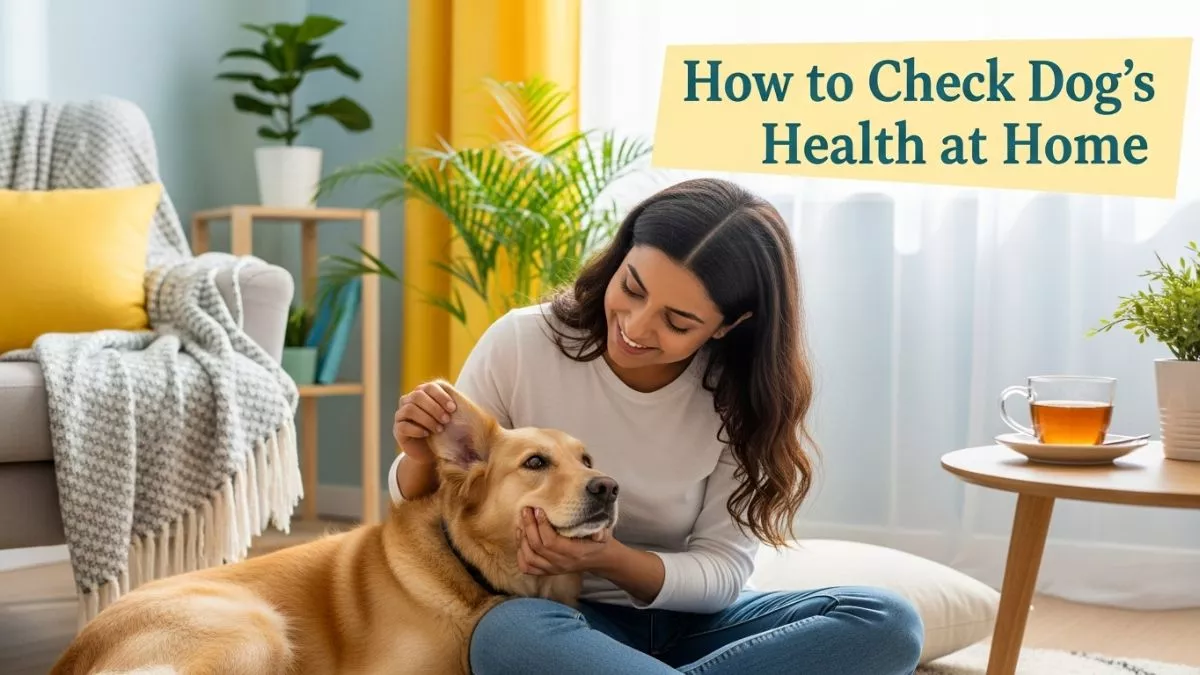
Keeping your dog healthy and happy starts with understanding how to check your dog’s health at home effectively. While regular vet visits are essential, consistent home check-ups help detect early signs of illness, prevent diseases, and strengthen your bond with your furry friend. In this comprehensive guide, we’ll show you step-by-step how to assess your dog’s overall well-being—just like a professional.
Table of Contents
1. Observe Your Dog’s Behavior and Energy Levels
A dog’s behavior is the first window into its health. Healthy dogs are alert, playful, and active, showing excitement during walks or playtime. Watch for any sudden changes in your dog’s energy levels or temperament.
Signs of Good Health
- Bright, focused eyes with curiosity
- Normal appetite and water intake
- Stable sleeping pattern
- Eagerness to play or engage
Warning Signs
- Unusual fatigue or laziness
- Loss of interest in toys or food
- Restlessness or whining
- Sudden aggression or fearfulness
If these symptoms persist beyond 24–48 hours, it’s time for a vet consultation.
2. Check the Eyes, Ears, and Nose for Early Symptoms
Your dog’s face can reveal many hidden health clues. Performing weekly checks helps identify infections or allergies before they worsen.
Eyes
Healthy eyes should be clear, moist, and bright. Look out for:
- Redness or swelling
- Cloudiness or discoloration
- Persistent tearing or discharge
- Yellowing of the whites (may indicate liver issues)
Ears
Healthy ears are clean, light pink, and odor-free. Warning signs include:
- Strong odor or discharge
- Excessive scratching or head shaking
- Brown or dark wax buildup
- Crusting or redness inside the ear canal
👉 Tip: Use a vet-approved ear cleaner weekly to prevent infections.
Nose
A dog’s nose should be cool and slightly moist. Dryness alone isn’t alarming, but look for:
- Thick nasal discharge
- Bleeding or crust formation
- Persistent sneezing
3. Examine the Coat, Skin, and Paws
A shiny coat and smooth skin are indicators of proper nutrition and overall wellness.
Coat and Skin Health
Run your hands gently over your dog’s body to feel for:
- Lumps, bumps, or hot spots
- Bald patches or flaky skin
- Redness or swelling
- Signs of fleas, ticks, or other parasites
If you notice persistent itching or scratching, it could point to allergies, fungal infections, or parasites.
Paw and Nail Care
Inspect paws for cracks, cuts, or swelling. Trim nails regularly to prevent discomfort or walking problems.
Dry, cracked pads may indicate dehydration or nutrient deficiency.
4. Monitor Your Dog’s Appetite, Digestion, and Hydration
Your dog’s eating and drinking habits are vital health indicators.
Appetite
A healthy dog eats consistently and shows enthusiasm for food. Loss of appetite or overeating may signal:
- Dental issues
- Digestive disorders
- Diabetes or thyroid problems
Digestion
Observe your dog’s stool daily. Normal poop should be firm, brown, and easy to pick up.
Watch for:
- Diarrhea or constipation
- Blood or mucus in stool
- Sudden changes in frequency or color
Hydration
Dehydration can be life-threatening.
Perform a quick skin tent test:
- Gently lift the skin on your dog’s neck.
- If it returns quickly—hydration is good.
- If it stays up—your dog needs fluids immediately.
5. Inspect Teeth, Gums, and Breath
Dental health is directly linked to heart and organ function, yet often ignored.
Healthy Mouth Signs
- White, clean teeth
- Pink, firm gums
- Mild breath odor
Warning Signs
- Foul breath (may signal gum disease or organ issues)
- Red, swollen gums
- Excessive drooling or difficulty chewing
Brush your dog’s teeth 2–3 times a week using pet-safe toothpaste. Regular dental checkups prevent plaque and bacterial buildup.
6. Monitor Breathing and Heart Rate
Healthy dogs breathe quietly and evenly when resting.
Normal Ranges
- Breathing rate: 15–30 breaths per minute
- Heart rate: 70–120 beats per minute (depending on size and breed)
Watch for signs of distress:
- Heavy panting at rest
- Persistent coughing or wheezing
- Shortness of breath
If your dog struggles to breathe or collapses, seek immediate veterinary care.
7. Keep Track of Weight and Body Shape
Maintaining a healthy weight extends your dog’s lifespan. Overweight dogs are prone to heart disease, diabetes, and joint problems.
How to Check
- You should feel your dog’s ribs but not see them.
- From above, your dog should have a defined waistline.
- Sudden changes in weight require vet attention.
Combine balanced meals, portion control, and regular exercise for ideal weight maintenance.
8. Watch for Parasites and Infections
Parasites are one of the most common yet preventable dog health threats.
Common Signs of Parasites
- Itchy skin or excessive scratching
- Scooting behavior
- Worms in stool or vomit
- Hair loss or dull coat
Prevention Tips
- Administer monthly flea and tick preventives
- Deworm as recommended by your vet
- Keep your dog’s bedding clean and dry
9. Conduct Monthly Full-Body Health Checks
Perform a head-to-tail inspection once a month to catch health changes early.
Include checks for:
- Eyes, ears, and mouth
- Skin and coat
- Weight and appetite
- Energy and mood
Record your observations in a pet health journal. This helps track subtle changes and provides valuable data for your vet.
10. Schedule Regular Vet Visits
Even the best home checks cannot replace a professional examination. Routine veterinary visits ensure deeper insights through diagnostic tools and expert evaluation.
What Your Vet Will Do
- Conduct blood, urine, and fecal tests
- Check heart and organ function
- Update vaccinations
- Provide tailored nutrition and exercise advice
For puppies, schedule check-ups every 3–6 months. For adult and senior dogs, annual or biannual visits are ideal.
11. Understand the Importance of Preventive Care
Preventive care is the foundation of long-term wellness.
Focus on:
- Balanced diet with essential nutrients
- Daily exercise
- Regular grooming and parasite control
- Mental stimulation and affection
A proactive approach can prevent 70% of common health problems before they escalate.
Become the First Line of Defense for Your Dog’s Health
Learning how to check your dog’s health at home makes you an empowered pet parent. Regular observation, gentle inspections, and timely veterinary support ensure your companion stays healthy, active, and full of life.
Your dog depends on you to notice the small things—because early detection saves lives.